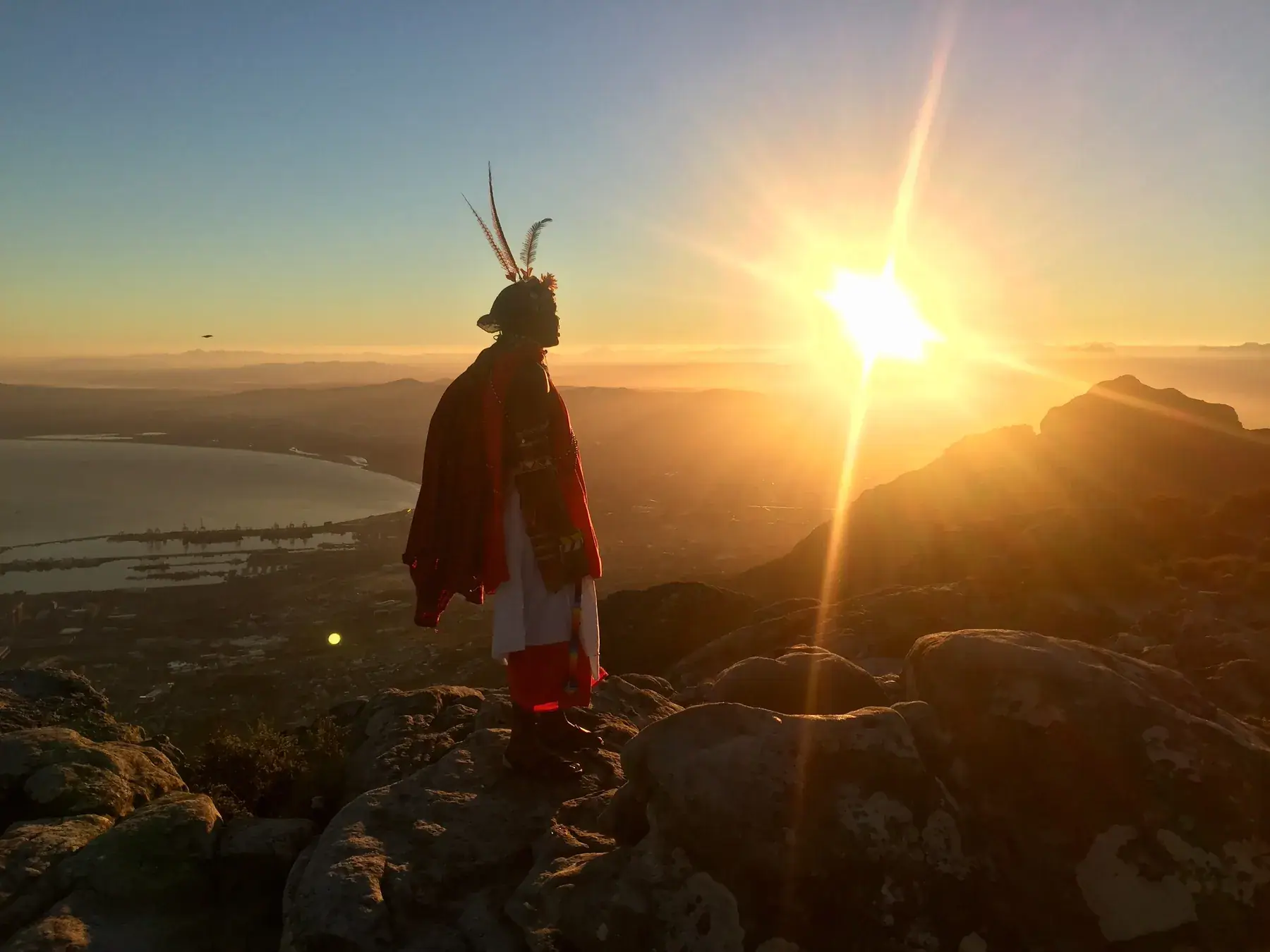
Samburu: northern wildlife, river light and striking patterns
Samburu National Reserve offers a very different setting from Kenya's southern savannahs. The Ewaso Ng'iro River runs through an arid landscape of open country, rocky ground, acacia and doum palms. That contrast can make Samburu especially rewarding to photograph: look for wildlife framed by river vegetation, silhouettes against open skies and patterns picked out in the warm light.
Photographers are often drawn to the region's northern species, including Grevy's zebra, reticulated giraffe, gerenuk, Somali ostrich and Beisa oryx. Elephants, big cats and birdlife add variety, although wildlife sightings are never guaranteed. Samburu is also part of a wider northern safari landscape that includes neighbouring Buffalo Springs and Shaba, subject to the route, access and arrangements for your trip.
What a photography day might look like
Set off early, when the light is soft and temperatures are cooler. Your guide can help you look for subjects and choose a safe position without disturbing them. You may spend time watching rather than moving constantly, waiting for an animal to turn towards the light, cross an open patch or interact with its surroundings. Return to camp during the warmer part of the day to rest, review images and recharge equipment. Head out again in the late afternoon, when the landscape begins to take on a different colour.
Meru National Park: varied habitats and room to explore
Meru is a strong choice for photographers interested in more than one kind of landscape. The park contains open grassland, woodland, riverine forest and wetlands, creating different settings for wildlife and bird photography. Elephants, buffalo, predators, rhinos and many bird species are among the possible subjects, but sightings and locations vary. The park also has a conservation connection to Elsa the lioness, whose story became widely known through Born Free.
Meru's variety can suit photographers who enjoy building a broader story of a place: an animal at a watercourse, birds moving through riverine vegetation or the changing textures of grassland and woodland. Some roads can be rough and conditions may change with the weather. That can affect access, comfort and how long it makes sense to spend on a drive, so the route should be planned with the season and your priorities in mind.
What a photography day might look like
Begin with a morning drive, taking time to explore different habitats rather than rushing between sightings. After breakfast or a return to camp, use the middle of the day to rest, back up photographs and prepare for the afternoon. Later, head out again with your guide, who can adapt the route to the conditions and recent sightings. A longer stay gives you more chances to explore the park at a measured pace.
Other places to consider
If you're looking to build a route beyond Samburu and Meru, these places may be worth discussing:
- Shaba and Buffalo Springs: Neighbouring reserves in the northern landscape, with dry-country scenery, river habitats and opportunities to explore beyond one reserve. Access, permits and logistics need to be planned for the specific itinerary.
- Tsavo East and Tsavo West: A wide-ranging safari option for photographers interested in contrasting landscapes, from open spaces and red earth to volcanic terrain, springs and woodland. Choose the areas and travel time around the subjects you hope to photograph.
- Laikipia conservancies: A useful option to explore if you're interested in conservation-led travel, a more private setting or a particular photographic focus. What you can photograph and which activities are permitted depends on the individual conservancy and camp.
Good to know. We'll help you choose places that suit your interests, travel dates and preferred style of safari. Wildlife is wild and no responsible operator can guarantee a particular animal, action or photograph.
How Sidai plans a photography safari
Before suggesting a route, we will ask what you hope to photograph and how you like to travel. Are you mainly interested in mammals, birds, landscapes or a mix? Do you prefer early starts and longer game drives or a more relaxed pace with time at camp? What camera equipment are you bringing and will you need room to work comfortably inside the vehicle?
From there, we can discuss the route, accommodation, guide, vehicle and length of stay. Depending on availability and the places visited, we can also talk through whether a private vehicle or additional space would be helpful. We will explain the practical details before you book, including expected driving conditions and any limits on where vehicles can go.
Questions travellers ask
Which Kenyan parks are good for wildlife photography beyond the famous circuit?
Samburu and Meru are excellent places to start planning. Buffalo Springs, Shaba, Tsavo and selected Laikipia conservancies may also suit, depending on the wildlife, landscapes and type of experience you're looking for.
What can I photograph in Samburu?
Samburu is known for its arid scenery and northern species, including Grevy's zebra, reticulated giraffe, gerenuk, Somali ostrich and Beisa oryx. Elephants, big cats and birdlife may also be encountered. Sightings depend on wildlife movement and conditions.
Is Meru National Park suitable for bird and landscape photography?
Meru's range of habitats, including riverine forest, wetlands, woodland and open grassland, offers varied settings for wildlife, bird and landscape photography. What you see will depend on the season, route and conditions.
When is the best time to go on a Kenya photography safari?
It depends on what you hope to photograph. Dry periods can bring clearer visibility in some areas, while greener conditions can create a different look and may be attractive for birdlife and landscape images. Weather, road conditions and wildlife movement vary, so we'll help you choose dates around your priorities.
Can I bring large camera equipment on safari?
Tell us what equipment you plan to bring, including long lenses, tripods, beanbags or additional camera bodies. We can discuss vehicle space and luggage arrangements before confirming the itinerary.
Will we stop long enough to take photographs?
A photography-focused itinerary can be planned with time to pause and observe, rather than treating each sighting as a quick stop. The guide must still follow park rules, safety guidance and responsible wildlife-viewing practices.
Can you guarantee a particular wildlife photograph?
No. Animals move freely and sightings cannot be guaranteed. We can plan a route around your interests and spend time in suitable habitats, while respecting wildlife and the rules of each area.
Plan a photography safari with Sidai Trails
Tell us what you want to photograph, when you hope to travel and how you like to spend a day in the bush. We'll help you explore the options and shape a Kenya itinerary around your interests.
Or email info@sidaitrailssafaris.com